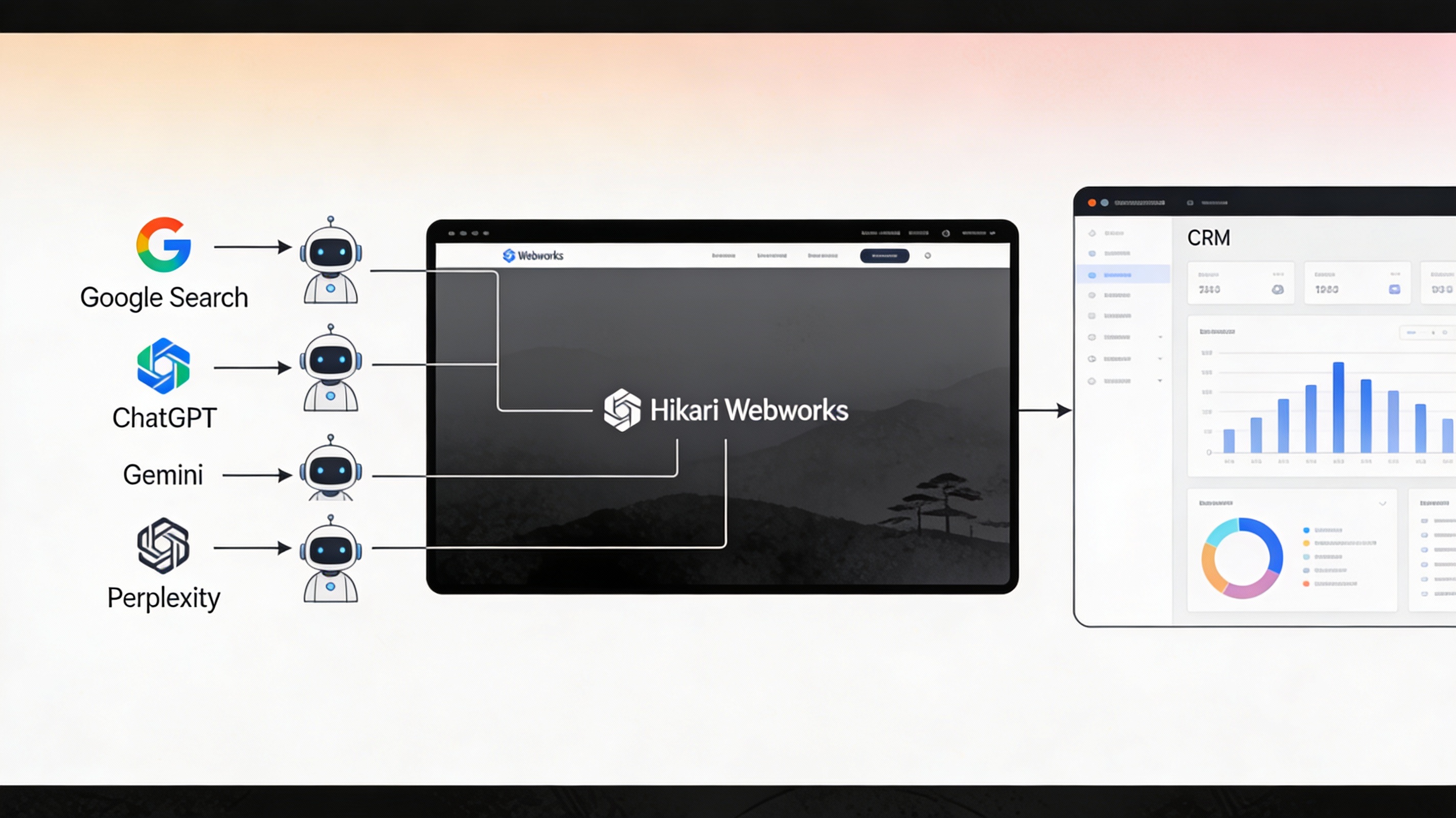
In high-ticket industries like Real Estate, Healthcare, Financial Advisory, and Professional Services, the phone call remains the highest-converting sales channel. Yet, over 62% of inbound business calls go unanswered during peak hours, weekends, or after 6:00 PM. Every missed call is lost revenue directly handed to a competitor.
In 2026, AI Voice Agents have emerged as the single most powerful conversion technology for modern businesses. Unlike robotic IVR menus ("Press 1 for Sales"), modern voice agents engage in fluid, natural, human-like voice conversations with sub-500ms response latency.
What is an AI Voice Agent?
An AI Voice Agent is an autonomous software system capable of conducting bidirectional spoken conversations over standard phone lines (PSTN) or web browsers. It listens to the caller, transcribes speech in real time, processes the intent using advanced language models, and speaks back with natural tone, inflection, and conversational pauses.
The Technical Stack: How Sub-500ms Voice Intelligence Works
- •1. Ultra-Fast Speech-to-Text (STT): Converts spoken audio into text in under 120 milliseconds using specialized acoustic models (e.g. Deepgram Nova).
- •2. Low-Latency LLM Processing: Evaluates the caller message and generates a concise, accurate response using optimized language models (e.g. Claude 3.5 Haiku, GPT-4o Mini) in under 200 milliseconds.
- •3. Natural Voice Synthesis (TTS): Generates studio-quality, emotional human voice audio (e.g. ElevenLabs, Cartesia) in under 150 milliseconds.
- •4. Telephony Bridge & Webhook Integration: Connects seamlessly to Twilio, Retell, Vapi, and your internal CRM to book calendar slots and update contact records mid-conversation.
Core Inbound and Outbound Use Cases
Businesses deploy AI Voice Agents across two primary operational workflows:
- •Inbound 24/7 Receptionist: Answers customer calls on ring one, answers pricing/service FAQs from your verified knowledge base, collects caller contact info, and books appointment slots directly into Google Calendar or Calendly.
- •Outbound Speed-to-Lead Qualification: Triggers an automated callback within 30 seconds of a customer submitting a web form or Facebook lead ad, qualifying their timeline and budget while their purchase intent is highest.
- •After-Hours Emergency Triage: Triages urgent patient or tenant requests after business hours, escalating true emergencies to an on-call human specialist while logging routine requests for morning follow-up.
- •Automated Appointment Confirmation: Calls patients or clients 24 hours in advance to confirm attendance, reducing costly clinic and salon no-show rates by up to 65%.
The Human Handoff Protocol: Safe and Transparent AI
A common misconception is that AI voice agents are designed to completely replace human sales teams. In practice, the best implementations use AI voice callers as the "Frontline Defense." The AI handles high-volume qualification and routine scheduling, and if a customer requests a human specialist or has a complex negotiation, the AI transfers the call smoothly to a live agent with a full conversation transcript.
Ready to move forward?
Experience Live AI Voice Demos and Book an Architecture Consultation
Get in Touch